Field Tech PPE Checklist
Reader-supported: we may earn a commission if you buy through our links, at no extra cost to you. As an Amazon Associate we earn from qualifying purchases.
PPE is not a purchase, it is a habit. The best-equipped tech still gets hurt when the hard hat stays in the truck. This checklist lists what a field tech should have on hand for the three kinds of work most of us do: rooftop and outdoor, attic and crawlspace, and electrical.
It is a starting list, not a legal standard. OSHA rules, your employer’s safety program and the site’s requirements decide what you must wear.
Quick answer: our top picks
- Hi-vis vestMid-rangeCarhartt Flame-Resistant High-Visibility Mesh Vest, Class 2ANSI/ISEA 107 Class 2, Type R, flame resistant, meets NFPA 70E and ASTM F1506
- Hard hatBudgetPyramex Ridgeline Full Brim Hard Hat, Vented, 4-Point RatchetANSI Z89.1 Type I full brim; the vented version has no electrical protection
Every job
- Eye protection. Z87+ marked glasses or goggles. See the safety glasses guide.
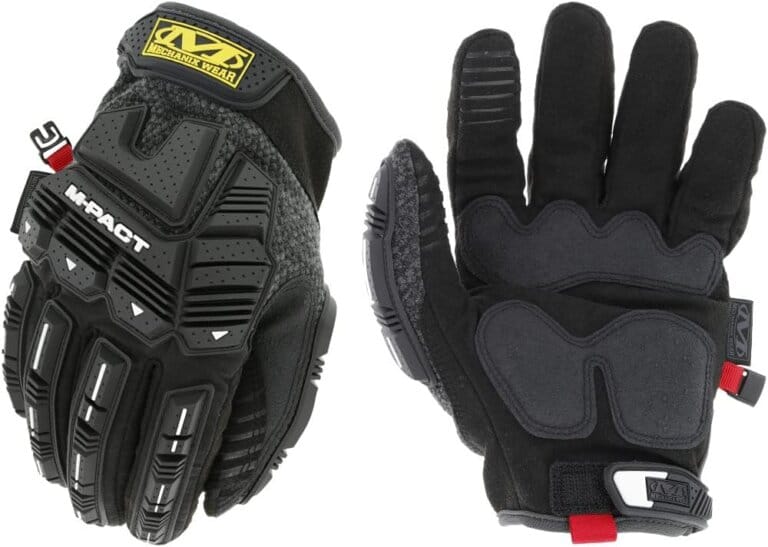
- Hand protection. A pair that matches the task. See HVAC work gloves and winter work gloves.
- Footwear. Boots with the toe and EH rating your site requires. See the work boot guide.
- Hearing protection. Earplugs for equipment rooms, saws and generators.
- Work clothes. Long pants that suit the work. See the work pants guide.
Rooftops and outdoor work
- Fall protection where required, and a ladder in good condition. See ladder sizing.
- Sun and heat. A brimmed hard hat or hat, sunscreen and water. The Pyramex Ridgeline full brim hard hat is an ANSI Z89.1 Type I vented hat. Review sources say the vented version is Class C and offers no electrical protection, so do not wear it near energized parts.
- Visibility. On roadways and commercial sites, a Class 2 vest. The Carhartt flame-resistant mesh vest is rated ANSI/ISEA 107 Class 2, Type R, and meets NFPA 70E and ASTM F1506. It costs more than a non-FR vest.
Attics and crawlspaces
- Respiratory protection appropriate for dust and insulation. Match the respirator to the hazard.
- Dust-sealing eyewear. Goggles stay on better than glasses when you work overhead.
- Light. A headlamp or work light, because attics are dark. See our field tech gadgets guide.
- Knee protection if you kneel often.
Electrical work
- Test before you touch. Verify the circuit is dead with a meter you trust. See the multimeter guide.
- Arc-rated clothing and rated gloves when the hazard analysis calls for them. Leather work gloves are not rubber insulating gloves.
- EH-rated footwear as a secondary measure, not a substitute for lockout.
What this checklist does not cover
It does not cover refrigerant safety, confined spaces, combustion analysis, asbestos, lead or fall arrest systems. Those need training and equipment beyond a shopping list. Your employer and local code decide what is required.
A quick check before you leave the truck
Run through the list in order: eyes, hands, feet, head, hearing, visibility. Then look at the job. Is the equipment on a roof? Check the ladder and the fall protection. Is it in an attic? Check the light and the air. Is it electrical? Check the lockout and the meter. The few minutes it takes are shorter than any injury. If a piece of gear is cracked, worn through or past its date, replace it, because protective gear that no longer protects is only weight in the bag.
Still deciding?
Hi-vis vest: Carhartt Flame-Resistant High-Visibility Mesh Vest, Class 2. ANSI/ISEA 107 Class 2, Type R, flame resistant, meets NFPA 70E and ASTM F1506.
Frequently asked questions
Do I need a hard hat on every HVAC job?
Not always. It depends on your employer's rules and the site. Many commercial and new-construction sites require one.
Does a vented hard hat protect against electricity?
Review sources describe the Pyramex vented hat as Class C, which offers no electrical protection. Choose a Class E or G hat if electrical protection is needed.
Is a Class 2 vest enough?
Class 2 vests suit many roadway and commercial sites. The site or your employer may require a different class.
Keep reading
Sources
Specifications and product details were checked against these sources: