HVAC Tools List: What a Service Tech Actually Carries
Reader-supported: we may earn a commission if you buy through our links, at no extra cost to you. As an Amazon Associate we earn from qualifying purchases.
Every HVAC tech has a version of this list, and it is shorter than the catalog suggests. A service kit is built from a few instruments you cannot do without, a few hand tools you use every call, and a pile of things you bought once and rarely touch. This page sorts the first two groups and points to the guides that cover each tool in depth.
Where a category has a deeper guide, we send you there instead of repeating it.
Quick answer: our top picks
- Multimeter to start withProFluke 116 HVAC Multimeter with Temperature and MicroampsMicroamps for flame sensors, temperature and True-RMS in one meter
- Clamp meter for residential HVACProUEi DL389B Dual Display True-RMS HVAC Clamp Meter with TemperatureAmps, flame-sensor microamps, capacitance and temperature in one clamp
- Digital manifoldProFieldpiece SM480V 4-Port Wireless Digital Manifold with Micron GaugeFour ports, built-in micron gauge and wireless Fieldpiece probes
- Vacuum pumpProFieldpiece VP67 6 CFM Vacuum Pump6 CFM, 15 microns and an oil change without shutting off
- Recovery machineProFieldpiece MR45 Digital Recovery MachineA2L compatible per Fieldpiece with a variable-speed DC motor
Start with measurement
Most callbacks come from a bad measurement, not a bad repair. The instruments below are where to spend first.
A multimeter and a clamp. Amp draw, capacitance and flame-sensor microamps are the first checks on most furnaces and condensers. Our multimeter guide compares the Fluke 116, 117 and budget options, and the clamp meter guide covers the clamps that pair with them. If you want a single tool for residential work, the clamp guide explains which clamps include microamps and capacitance and which do not.
Thermometers. Superheat and subcooling depend on honest temperatures. See the thermometer guide for line temperature, air temperature and infrared options, and why infrared is not the tool for copper lines.
A digital manifold and a micron gauge. Pressure and vacuum are the other half of a refrigerant job. The digital manifold guide compares the Fieldpiece, Testo and Yellow Jacket models, and the CPS VG200 micron gauge review covers a stand-alone micron gauge.
The refrigerant side
A vacuum pump. Size it to the work: about 2 to 4 CFM for mini-splits, 6 CFM for most residential splits and 8 to 10 CFM for large systems. The vacuum pump guide lays out the CFM, microns and A2L listings.
A recovery machine. The recovery machine guide compares four machines and calls out the missing ratings.
A leak detector and nitrogen. Heated diode, infrared and ion pump detectors differ most in how often you replace the sensor. See the leak detector guide and the nitrogen regulator guide. A swage tool saves a coupling and a braze joint on a repair.
Hand tools you reach for every call
These are inexpensive, and a good one lasts years.
- A multi-bit driver. The Klein 32500 11-in-1 has eight tips plus 1/4, 5/16 and 3/8 in nut drivers: Phillips #1 and #2, slotted 1/4 and 3/16 in, Torx T10 and T15, and square #1 and #2. It is not an insulated tool.
- Long nose pliers. The Knipex 26 11 200 is an 8 in snipe nose plier with hardened cutting edges at about 61 HRC. It reaches terminals and bends wire in tight spots, and it costs more than a basic plier.
- An adjustable wrench. The Channellock 8WCB has a jaw opening up to 1-1/2 in and inch and millimeter scales. An adjustable wrench can round a fastener, so use a fixed wrench when you can.
- A tubing cutter for close quarters. The RIDGID 101 cuts 1/4 to 1-1/8 in tubing and works on hard and soft copper, aluminum, brass and plastic. It comes with a spare cutter wheel and weighs 7.8 oz.
- Insulated screwdrivers. The insulated screwdriver guide covers sets rated for 1,000 V AC. They are a layer of protection and not permission to work live.
- Wire strippers. The wire stripper guide compares five, including a self-adjusting model that covers thermostat wire through line voltage.
Power tools for the van
A cordless impact driver sets sheet metal screws and hanger bolts faster than a screwdriver. Our impact driver guide compares four. A reciprocating saw is the tool for tear-outs. And a jobsite radio is optional, but most crews agree on at least one.
If you work off a truck or on roofs where outlets are scarce, a portable power station and an extension cord reel are worth a look. A ladder matched to the job and the electrical exposure matters more than the brand on the label.
Carrying it all
Storage is where the tools live between calls. The tool bag guide covers backpacks, totes and rolling bags, the pouch guide covers a lighter carry, and the belt guide covers a belt for all-day wear. Pick the one that fits how far you walk with it and whether you climb.
What you wear counts as a tool
A good pair of boots, gloves that fit the task and eye protection do as much for a long career as any instrument. Start from the PPE checklist, then see the guides for work boots, work pants, work gloves, winter gloves and safety glasses.
Extras worth carrying
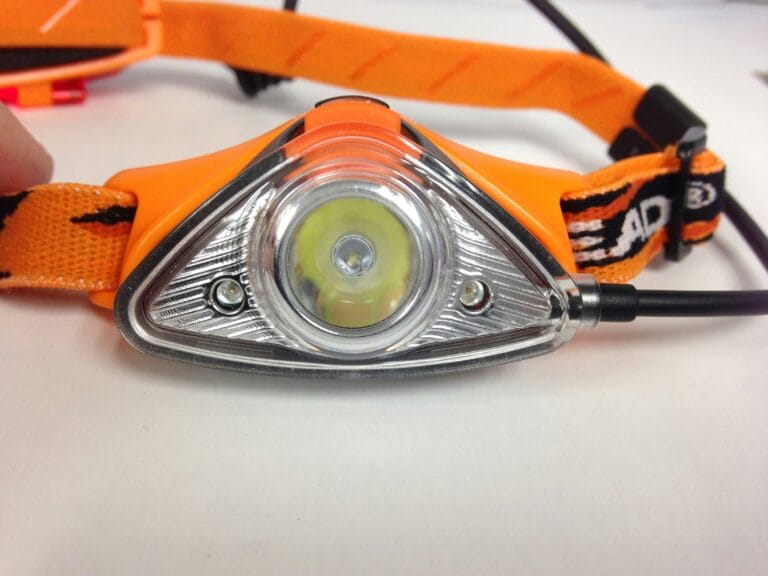
Small items often earn their keep. A borescope looks into a coil cavity, a laser measure speeds up a quote, a headlamp frees both hands in an attic and a magnetic wristband holds screws overhead. See the field tech gadgets guide. Bring a cooler too, because a long day in a hot attic is easier when lunch is cold. See the lunch box and cooler guide.
How to build a kit without wasting money
Start with the measurement instruments, since they pay for themselves in fewer return trips. Add the refrigerant tools as your work requires them, in the order you meet them: a manifold and thermometers first, then a pump, then recovery. Buy hand tools one at a time as you wear out the cheap ones. Do not buy a full wireless ecosystem until you know which brand’s probes you want, because probes, manifolds and apps tend to work only inside one brand.
If you work for an employer, ask what the company provides. Many shops supply the big refrigerant tools and expect you to carry the hand tools and instruments. Check your local certification and refrigerant handling rules before you buy recovery gear, because those rules apply to the person using the equipment.
Where to go next
If you are building your first kit, start with the multimeter guide and the PPE checklist. If you are upgrading, jump to the category you use most: the refrigerant tools or the jobsite power gear.
A word on brands and ecosystems
Many instruments are sold as parts of a system: Fieldpiece Job Link, Testo Smart Probes, Yellow Jacket’s apps and the battery platforms of the cordless tool makers. A system saves time when everything talks to everything else, and it ties you to one maker’s prices and product cycles. If you are starting out, choose one ecosystem for probes and manifolds and one battery platform for cordless tools, and let the rest of the kit be brand-neutral. Our guides note where a product depends on a particular system so you can see the commitment before you buy.
Still deciding?
Multimeter to start with: Fluke 116 HVAC Multimeter with Temperature and Microamps. Microamps for flame sensors, temperature and True-RMS in one meter.
Frequently asked questions
What tools do HVAC techs need?
The essential HVAC service tools are a multimeter, a clamp meter, thermometers and a digital manifold, then a vacuum pump, a recovery machine and a leak detector as the work requires. Hand tools, a tool bag and PPE round out the kit.
What are the must-have HVAC tools for a new technician?
Start with the measurement instruments, then a multi-bit driver, pliers, an adjustable wrench and a tubing cutter. Ask your employer which refrigerant tools they supply before you buy them.
What tools does an HVAC technician need first?
A multimeter, a clamp meter, thermometers and a manifold cover most diagnostics. Hand tools such as a multi-bit driver, pliers, a wrench and a tubing cutter come next.
Do I need insulated tools for HVAC?
Insulated screwdrivers add a layer of protection near live parts. They do not replace de-energizing and testing the circuit.
Is a Fluke multimeter worth it for HVAC?
The Fluke 116 lists microamps, capacitance and temperature, which are the HVAC checks. See our multimeter guide for cheaper options with microamps.
Keep reading
Sources
Specifications and product details were checked against these sources: